
Swarm Prevention
David
1/4/20263 min read
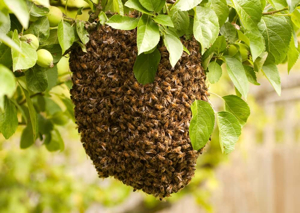
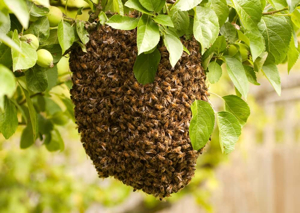
Beekeeping swarm prevention starts with understanding why bees swarm, then using a mix of inspections, space management, splitting, and queen management to keep colonies productive instead of hanging in a tree down the road.
Why Bees Swarm
Swarming is how honeybee colonies reproduce: a portion of the bees, led by the old queen, leaves to start a new home when the original hive feels crowded or constrained.
For beekeepers, this natural behavior means fewer foragers, reduced honey production, and the risk of losing bees or upsetting neighbors.
Main swarm triggers
Overcrowding in the brood nest and supers so bees have nowhere to store nectar or raise brood.
Poor ventilation and heat buildup that stress the colony and encourage bees to leave.
An aging queen whose pheromones no longer spread evenly through a large population.
Reading Early Swarm Signs
Catching swarm preparations early gives the widest choice of prevention techniques.
Behavioral and visual clues
Rapid spring population growth with lots of drones and bees congesting the entrance.
“Bearding” clusters hanging on the front of the hive in mild weather, suggesting overcrowding rather than just heat relief.
Queen cups and especially charged or capped queen cells along the bottoms and edges of brood frames, which are the most definitive sign of swarm preparation.
Inspection rhythm
Inspect every 7–10 days in swarm season so new queen cells are found before they are capped and bees are ready to go.
During inspections, focus on brood frames first, scanning bottoms and sides for queen cells and assessing whether the brood nest is tight or has open comb available.
Space and Ventilation Management
Keeping the hive roomy and comfortable is one of the simplest, most reliable ways to reduce swarming pressure.
Provide enough room
Add brood boxes or honey supers ahead of the nectar flow so bees always have space for incoming nectar and expanding brood.
Rotate or reverse brood boxes in early spring and cycle in empty or drawn frames at the edges of the brood nest to open it up and encourage upward growth instead of swarming.
Improve hive climate
Use upper entrances or screened bottom boards to boost airflow and prevent overheating that can push bees toward swarming.
Avoid over-packing hives with frames of honey; ensure there is some empty comb in the brood area so workers stay busy and the queen has room to lay.
Splits and Brood Nest Manipulation
Splitting and opening the brood nest directly reduce congestion and the number of young bees ready to swarm.
Making splits
Create a split a few weeks before your typical swarm peak by moving several frames of brood, food, and bees into a new box with either the old queen or a new one.
Use methods like walk-away splits, queen-cell splits, or purchased queens, but always ensure each new hive has brood, stores, and enough workers to establish itself.
Manipulating brood frames
“Open the brood nest” by removing one or two frames of sealed brood from strong colonies and replacing them with empty or foundation frames at the edges of the brood area.
For late-stage swarm control, double-screen boards can split the colony vertically, separating the queen from most young bees and disrupting the age balance needed to swarm.
Managing queen quality and giving swarms somewhere “acceptable” to land adds extra control on top of basic hive management.
Queen management
Requeen regularly so colonies are headed by vigorous queens with strong pheromone output, which helps maintain cohesion and reduce swarm impulses.
When early swarm cells appear, some beekeepers remove them and requeen instead, trading a potential swarm for a controlled queen replacement.
Swarm traps as backup
Place swarm traps or bait hives near your apiary, baited with old comb and attractants like lemongrass oil, to capture swarms that still issue despite your efforts.
Even when prevention fails, recovering your own swarms this way preserves bees, protects honey production, and reduces nuisance swarms around homes and public spaces.