
Spring Beekeeping Activities in SE Wisconsin
Information for local beekeepers who are just coming out of winter prep. Here’s a structured, informative blog post that blends practical advice with the local rhythm of spring in southeast Wisconsin.
David
1/7/20262 min read
Spring Beekeeping in Southeast Wisconsin: Waking the Hives and Gearing Up for the Season
After a long Wisconsin winter, the first hints of warmth in late March or April stir both bees and beekeepers back to life. Spring in southeast Wisconsin is a time of cautious optimism — a season when careful observation and timely action can set your colonies up for a productive year.
Assessing Winter Survival
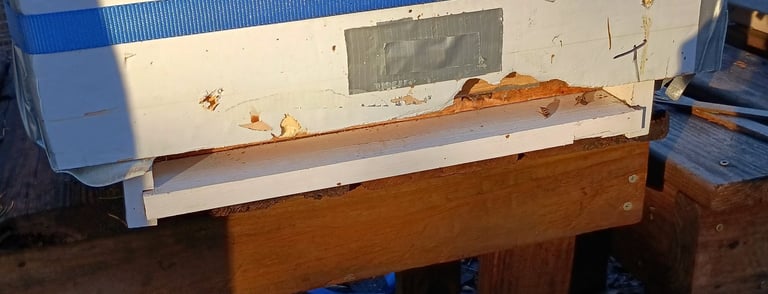
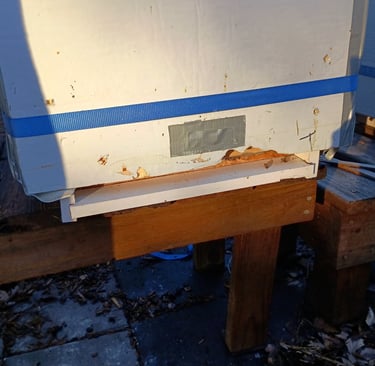
As the snow melts, your first visit to the apiary isn’t about diving into the hive — it’s about observation. Look for signs of life at the entrance: bees flying on mild days (above 50°F), cleansing flights, and dead bees being carried out. Resist the urge to open boxes too soon; wait until the weather consistently warms so you don’t chill the brood.
Check for:
Remaining food stores; colonies can still starve in March and April.
Signs of moisture, mold, or mouse damage.
The strength of overwintered clusters.
If a colony didn’t survive, clean and reuse equipment after freezing or scorching frames to kill pathogens.
Feeding and Nutrition Support
In spring, bees burn through stored honey quickly as brood rearing kicks in. This is a fine time to support them with:
Pollen patties or dry pollen substitute to stimulate brood production.
Light sugar syrup (1:1) for energy if honey stores are low.
Keep an eye out for robbing behavior when feeding weaker hives; use reduced entrances or robbing screens as needed.
Hive Inspections and Splitting
By mid- to late April, temperatures in southeast Wisconsin are usually stable enough for full inspections. A healthy spring colony should have:
Expanding brood patterns
Clean comb and good queen activity
Sufficient stores and pollen
If colonies are booming by May, it may be time to split them to prevent swarming. Splits not only control swarm pressure but also let you rebuild lost colonies and manage mite loads more effectively.
Varroa Monitoring and Management
Spring is the best time to reset mite levels. After the first brood cycle, perform an alcohol wash or sugar roll to estimate your mite load. Many experienced Wisconsin beekeepers aim to keep levels below 1–2% in April. If necessary, apply a spring treatment compatible with active brood rearing — formic acid (MAQS) or oxalic acid dribble/vaporization can be effective depending on weather and conditions.
Equipment Preparation and Expansion
Winter repair projects pay off now. Make sure you’re ready for population growth:
Assemble extra hive bodies and frames before you need them.
Replace any broken boxes or warped bottoms.
Prepare supers for late May when the dandelion and fruit bloom nears.
Watching the Blooms
In southeast Wisconsin, early forage appears with willows, maples, and crocuses in late March, followed by dandelions, fruit trees, and clover. Each bloom signals new opportunities — and responsibilities — for hive management. As nectar sources expand, you’ll shift from nurturing colonies to preparing them for honey production.
The Takeaway
Spring beekeeping in Wisconsin is about patience and timing. Act too early and you can stress your colonies; wait too long and you risk swarming or lost production. But with care, good observation, and steady preparation, this season sets the tone for everything that follows — and often determines whether your hives thrive through the summer flow.